Case Study: Transforming a Central Coast Home with Sustainable Remodeling

Introduction to Sustainable Remodeling
In recent years, sustainable remodeling has gained significant traction, driven by a growing awareness of environmental impact and the desire for healthier living spaces. A remarkable example of this trend can be found in a recent project on the Central Coast, where an outdated home underwent a complete transformation into a sustainable haven. This case study explores the key aspects of the remodeling process, highlighting the innovative strategies and materials used to achieve a greener, more efficient home.
Emphasizing Energy Efficiency
One of the primary goals of the remodeling project was to enhance the home's energy efficiency. The team began by conducting a comprehensive energy audit to identify areas for improvement. Key upgrades included installing energy-efficient windows, enhancing insulation, and integrating a state-of-the-art HVAC system. These changes not only reduce the home’s carbon footprint but also result in substantial savings on utility bills.
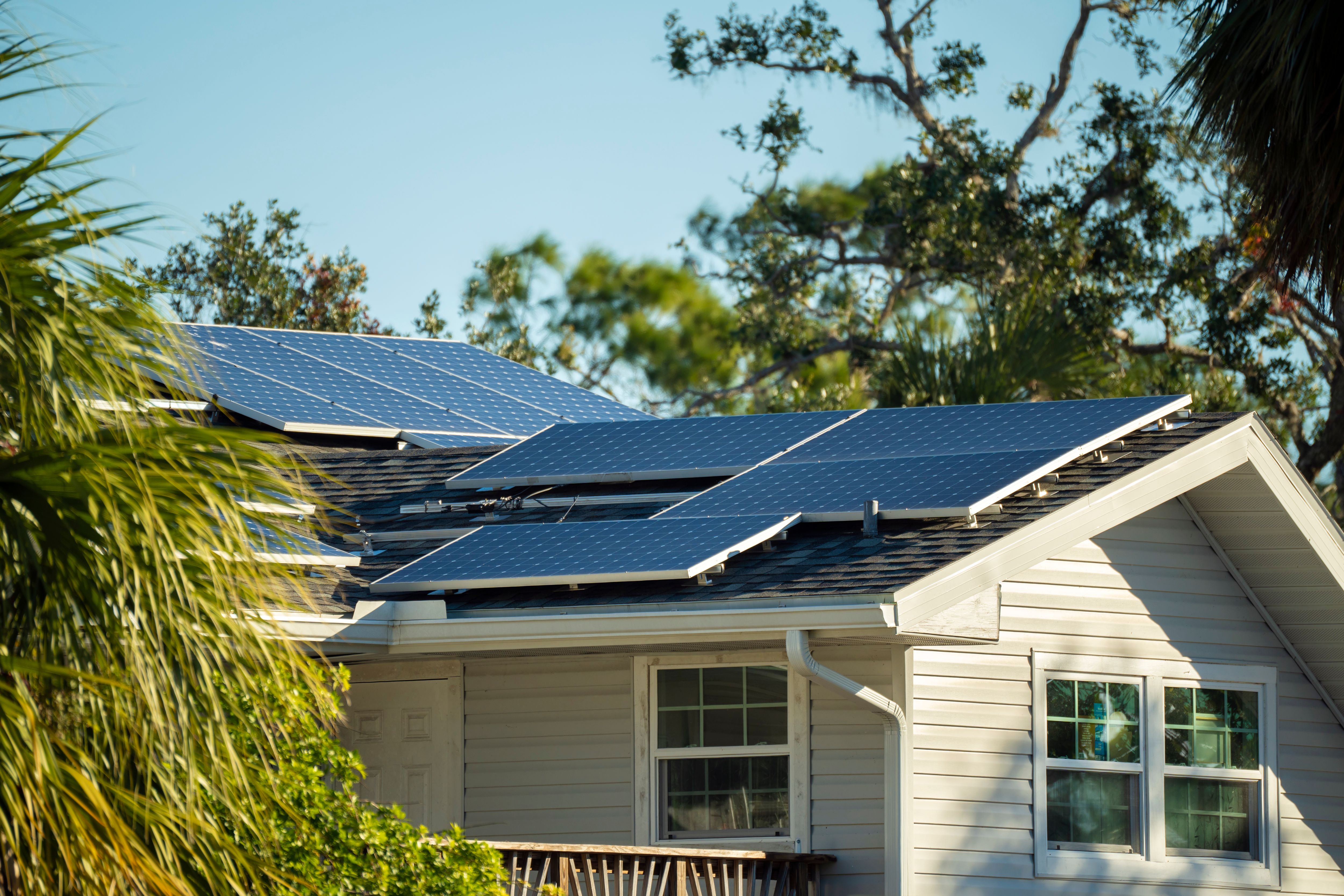
Solar panels were also strategically installed on the roof, harnessing the abundant Central Coast sunshine to power the home. By using renewable energy, the homeowners significantly decreased their reliance on non-renewable sources, further contributing to environmental preservation.
Utilizing Sustainable Materials
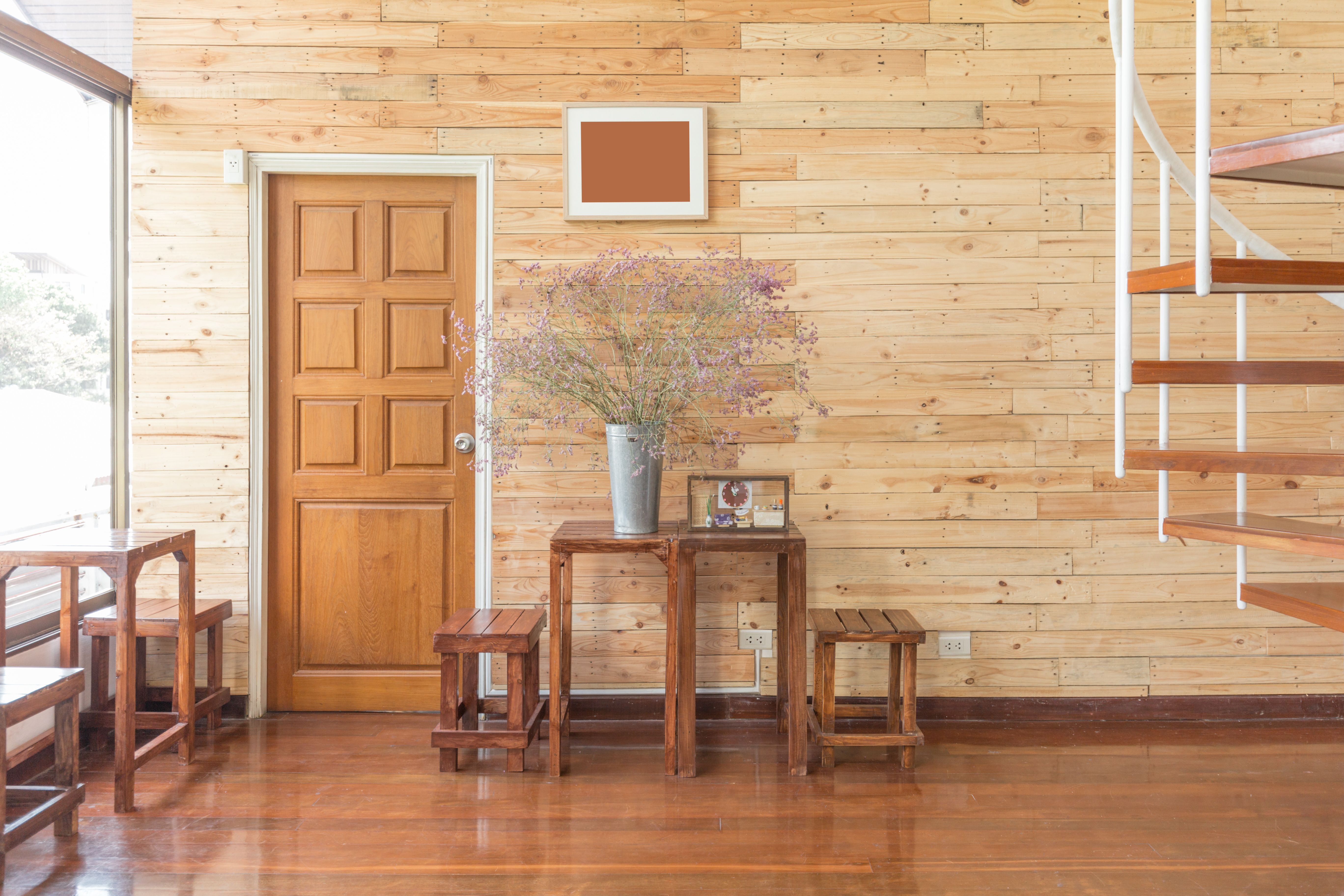
In line with the project’s eco-friendly ethos, the design team prioritized the use of sustainable materials throughout the remodeling process. Reclaimed wood was used for flooring and cabinetry, adding character and reducing the demand for new lumber. Additionally, low-VOC (volatile organic compounds) paints and finishes were chosen to improve indoor air quality.
The team also selected locally sourced materials whenever possible, supporting regional businesses and minimizing the carbon footprint associated with transportation. This approach not only benefits the environment but also adds a unique touch to the home’s aesthetic.
Water Conservation Techniques
Water conservation was another critical focus of the remodeling project. The installation of low-flow fixtures in bathrooms and kitchens significantly reduced water usage without compromising performance. A rainwater harvesting system was also implemented, collecting water for irrigation purposes and reducing dependence on municipal supplies.
By incorporating native plants in the landscape design, the team ensured that the garden would thrive with minimal irrigation, further enhancing the home's sustainability credentials.

Creating a Healthy Indoor Environment
A sustainable home is not only environmentally friendly but also promotes the health and well-being of its occupants. To achieve this, the remodeling project included measures to improve indoor air quality. An advanced ventilation system was installed to provide a constant supply of fresh air, reducing the concentration of indoor pollutants.
Additionally, the use of non-toxic building materials and finishes played a crucial role in maintaining a healthy indoor environment, free from harmful chemicals.
The Impact of Sustainable Remodeling
This Central Coast home now stands as a testament to the potential of sustainable remodeling. The project not only transformed the aesthetic and functionality of the residence but also significantly reduced its environmental impact. Homeowners can enjoy a healthier, more comfortable living space while contributing positively to the planet.

As more homeowners become aware of the benefits of sustainable remodeling, we can expect to see an increase in projects like this one, paving the way for a more sustainable future.