Eco-Friendly Building Materials: Transform Your Home Sustainably


Introduction to Eco-Friendly Building Materials
As environmental concerns grow, more homeowners are seeking ways to make their living spaces sustainable. One effective approach is to use eco-friendly building materials that reduce environmental impact while offering durability and style. By choosing these materials, you can transform your home into a more sustainable haven.
Benefits of Eco-Friendly Materials
Incorporating eco-friendly materials into your home offers several advantages. First, these materials often have a lower environmental footprint, reducing waste and energy consumption. Second, they can improve the indoor air quality by minimizing harmful emissions. Lastly, sustainable materials can enhance the overall aesthetic of your home, offering unique textures and designs.
Energy Efficiency
Many eco-friendly materials contribute to improved energy efficiency. For example, bamboo and cork are excellent insulators, helping to maintain indoor temperatures and reduce heating and cooling costs. Opting for energy-efficient windows and doors can also significantly lower energy consumption.

Types of Eco-Friendly Building Materials
There is a wide range of sustainable materials available, each offering unique benefits. Here are some popular options:
- Bamboo: A fast-growing plant that provides a durable and versatile building option.
- Cork: Harvested from the cork oak tree, it is renewable and biodegradable.
- Recycled Steel: Offers strength and durability while reducing the need for new raw materials.
- Reclaimed Wood: Provides character and charm while minimizing deforestation.
Recycling and Reclaimed Materials
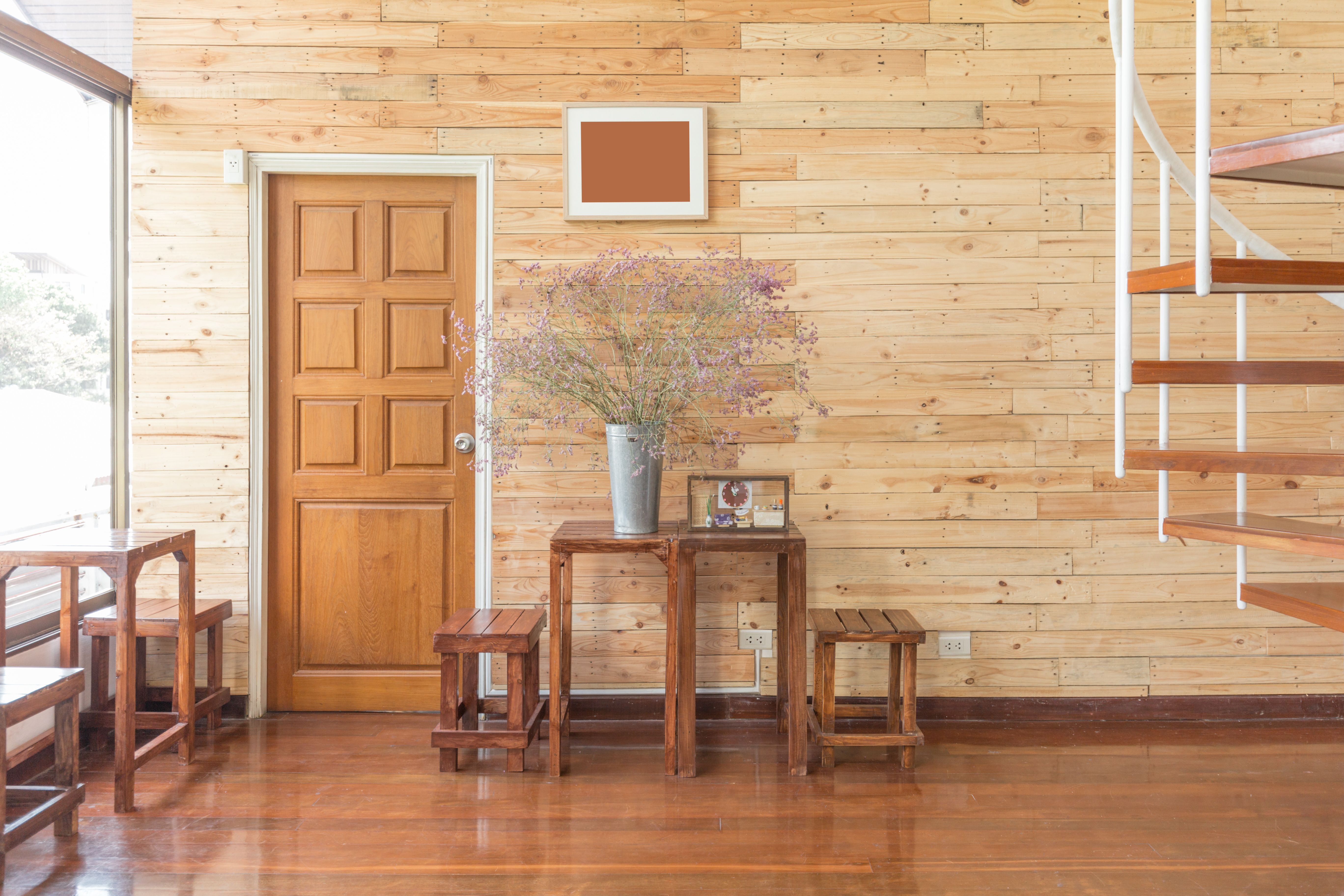
Using recycled and reclaimed materials is an excellent way to support sustainability. Reclaimed wood, for instance, not only reduces waste but also gives your home a unique, rustic appearance. Recycled glass and metal can be used in countertops and fixtures, offering both beauty and function.
Choosing the Right Materials for Your Home
Selecting the right eco-friendly materials depends on several factors, including your budget, design preferences, and the specific needs of your home. It's important to research and choose materials that align with your sustainability goals. Consulting with a green building expert can provide valuable insights and help you make informed decisions.
Maintenance and Longevity
Eco-friendly materials often require less maintenance and offer greater longevity compared to traditional options. For example, bamboo flooring is not only beautiful but also resistant to wear and tear. Ensuring proper maintenance will extend the lifespan of these materials, enhancing their sustainability.
Conclusion
Transforming your home with eco-friendly building materials is a meaningful way to contribute to environmental conservation while enjoying a stylish and comfortable living space. By making informed choices, you can create a home that reflects your commitment to sustainability and inspires others to do the same.