Embracing Sustainability: Eco-Friendly Building Materials for the Central California Coast

Why Choose Eco-Friendly Building Materials?
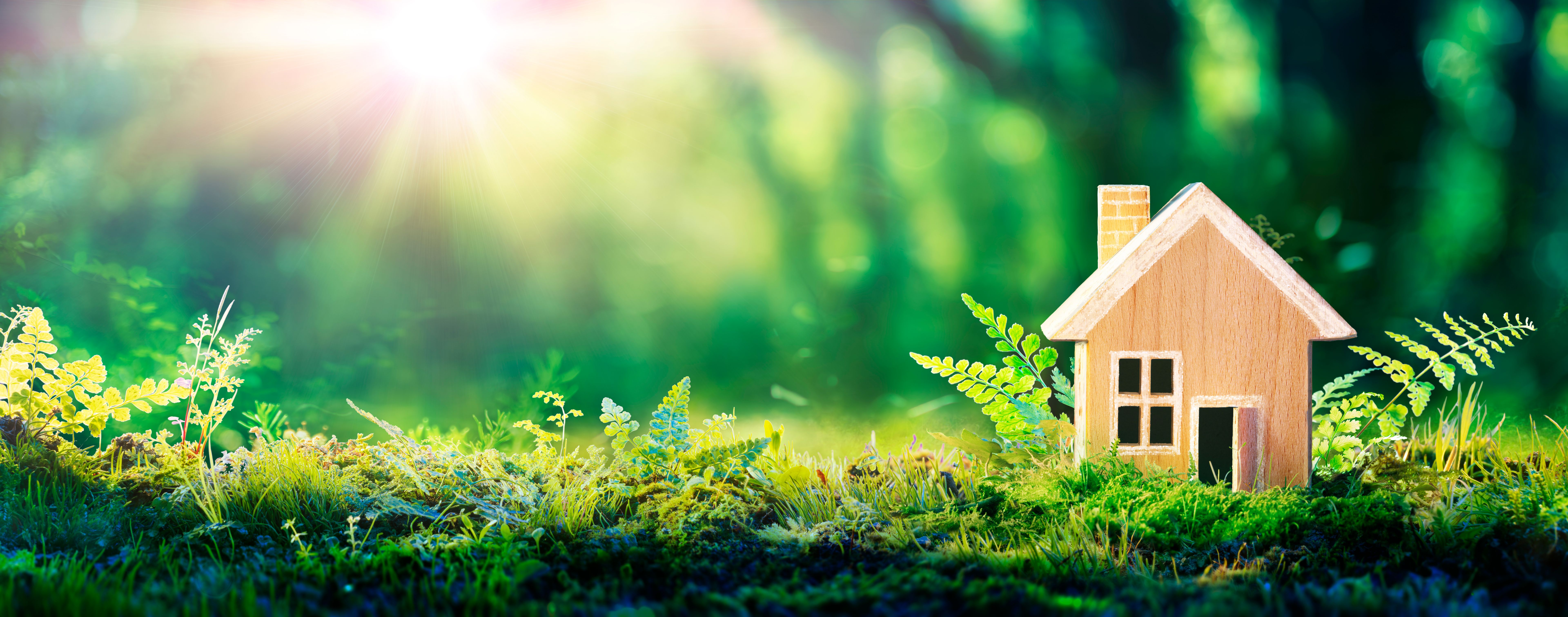
As the world becomes more environmentally conscious, the construction industry is also experiencing a shift towards sustainability. On the Central California Coast, embracing eco-friendly building materials is not just a trend but a necessity. These materials reduce the carbon footprint and contribute to healthier living environments.
The benefits of using sustainable materials are numerous. They often lead to reduced energy consumption, lower costs over time, and improved indoor air quality. By choosing eco-friendly options, builders and homeowners can make a substantial impact on the environment while also enhancing the aesthetic appeal of their spaces.
Key Sustainable Materials for Coastal Construction
Several eco-friendly materials are especially suitable for construction on the Central California Coast. These materials not only withstand the coastal climate but also promote sustainability.
- Bamboo: Known for its rapid growth and renewability, bamboo is a versatile material used in flooring, cabinetry, and even structural components.
- Recycled Steel: Using recycled steel reduces the need for new materials and is ideal for structural support in coastal buildings due to its strength and durability.
- Cork: Harvested from the bark of cork oak trees, cork is a renewable resource that provides excellent insulation and is resistant to mold and mildew.
Innovative Insulation Solutions
Insulation is a critical component of sustainable construction, particularly in regions like the Central California Coast, where temperature regulation is essential. Eco-friendly insulation materials can significantly reduce energy consumption.
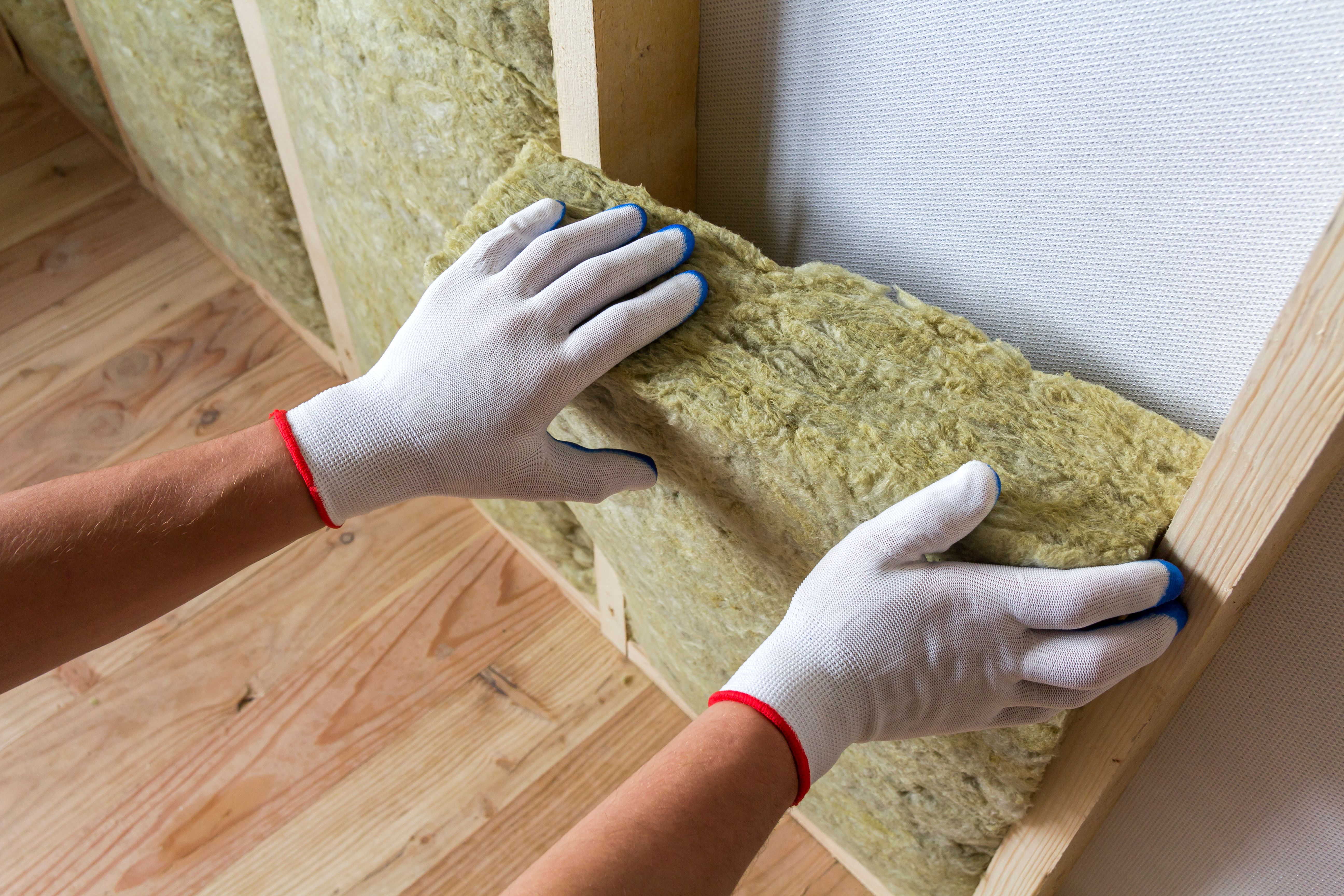
Some popular options include recycled denim, sheep's wool, and cellulose made from recycled newspaper. These materials offer excellent thermal performance and are biodegradable, making them a smart choice for environmentally conscious builders.
Renewable Energy Integration
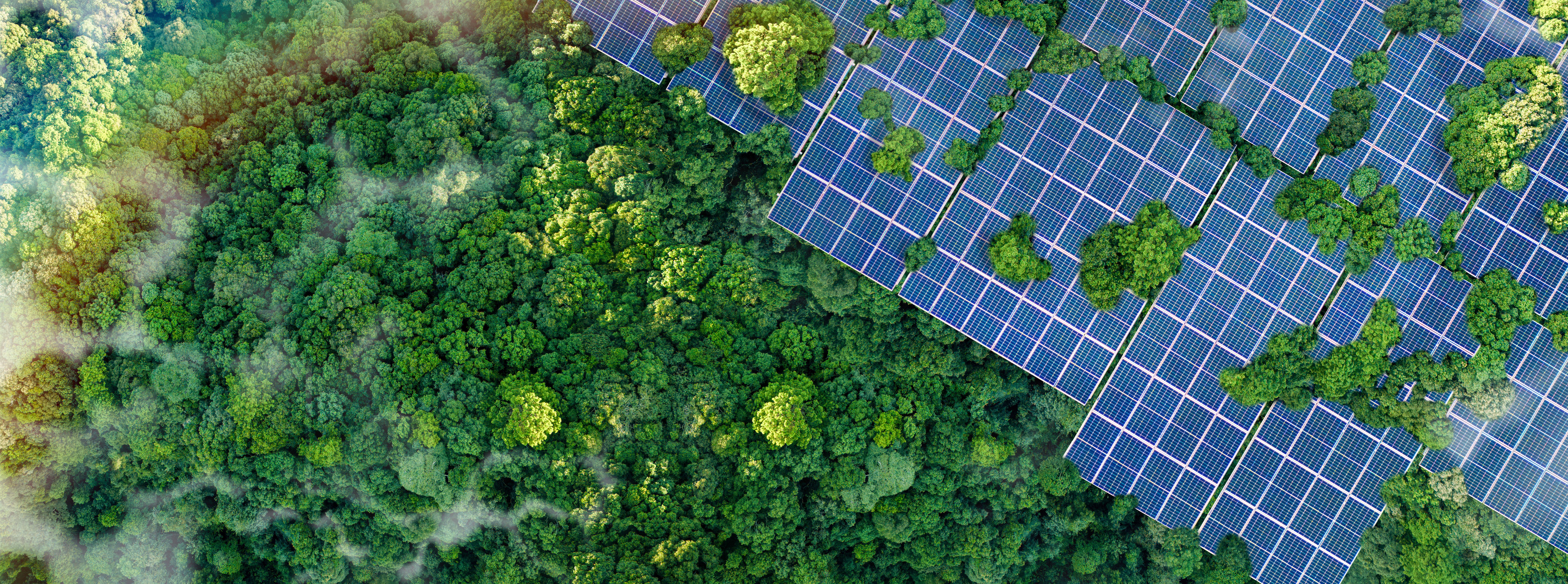
Incorporating renewable energy sources is another vital aspect of sustainable construction. Solar panels, wind turbines, and geothermal systems are increasingly being integrated into building designs along the coast.
These systems not only reduce reliance on non-renewable energy but also provide long-term savings on energy bills. By harnessing the natural resources abundant in Central California, buildings can achieve energy efficiency and sustainability.
Water Conservation Techniques
Water conservation is essential in regions prone to drought, like the Central California Coast. Sustainable building materials and practices can include water-saving fixtures, rainwater harvesting systems, and native landscaping.
Utilizing these techniques not only conserves water but also enhances the resilience of buildings to fluctuating climate conditions. Innovative solutions are continually being developed to make water conservation more accessible and effective.
The Future of Sustainable Building
The future of construction along the Central California Coast is undoubtedly green. As technology advances and awareness grows, more eco-friendly materials and methods will become available, paving the way for even more sustainable developments.
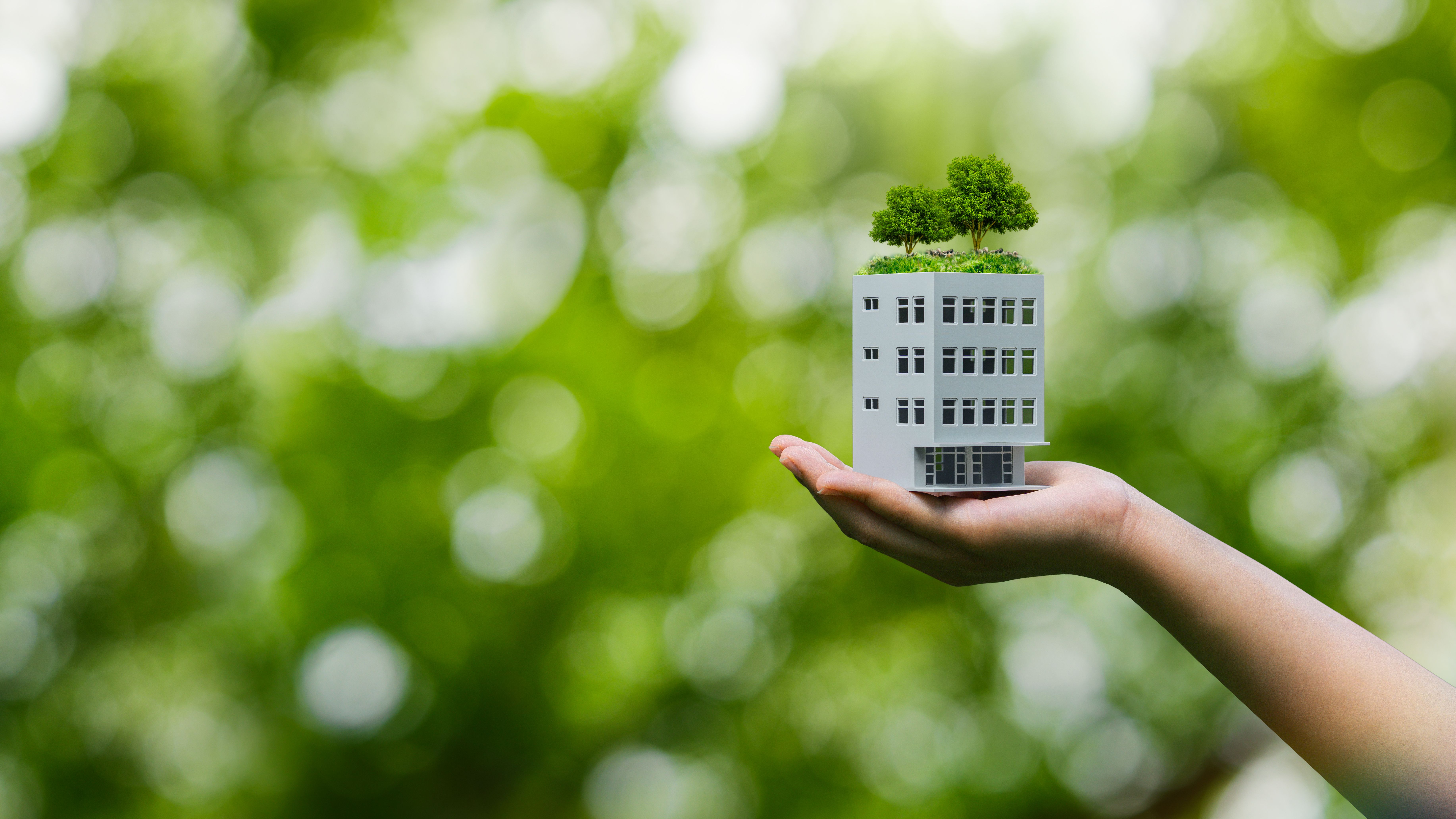
By embracing sustainability, builders and homeowners can contribute to a healthier planet while enjoying the beauty and functionality of their creations. The Central California Coast is poised to lead the way in eco-friendly construction, setting a standard for other regions to follow.